Uke U-4–The 4th Annual Ukulele University!

It will soon be all things ukulele in Bend, Oregon when Uke U-4 raises the roof from July 17 through 19–just a few weeks away. They have a great lineup of performers and instructors, including Sarah Maisel and Craig Chee (who just completed a new recording), Aaron and Nicole Keim (The Quiet American), Ben Bonham and Ronnie Ontiveros, Pipa Piñon, Jeff Stevens, Rhan Wilson, Rick Zeek, Cinda Johnson, and hula/uke/Hawaiian culture instructor Kumu Iwalani.

I’ll be there (with daughter and new ukulele convert Meghan) with two instruments–Richard Parker, and Watson. Further introductions in following posts. Aloha to friends of yore and those about-to-be, see you soon!

Spring 2015 preview.

Can’t resist–all of these will get posts as I catch up, but I’m so tickled I want to share them now.

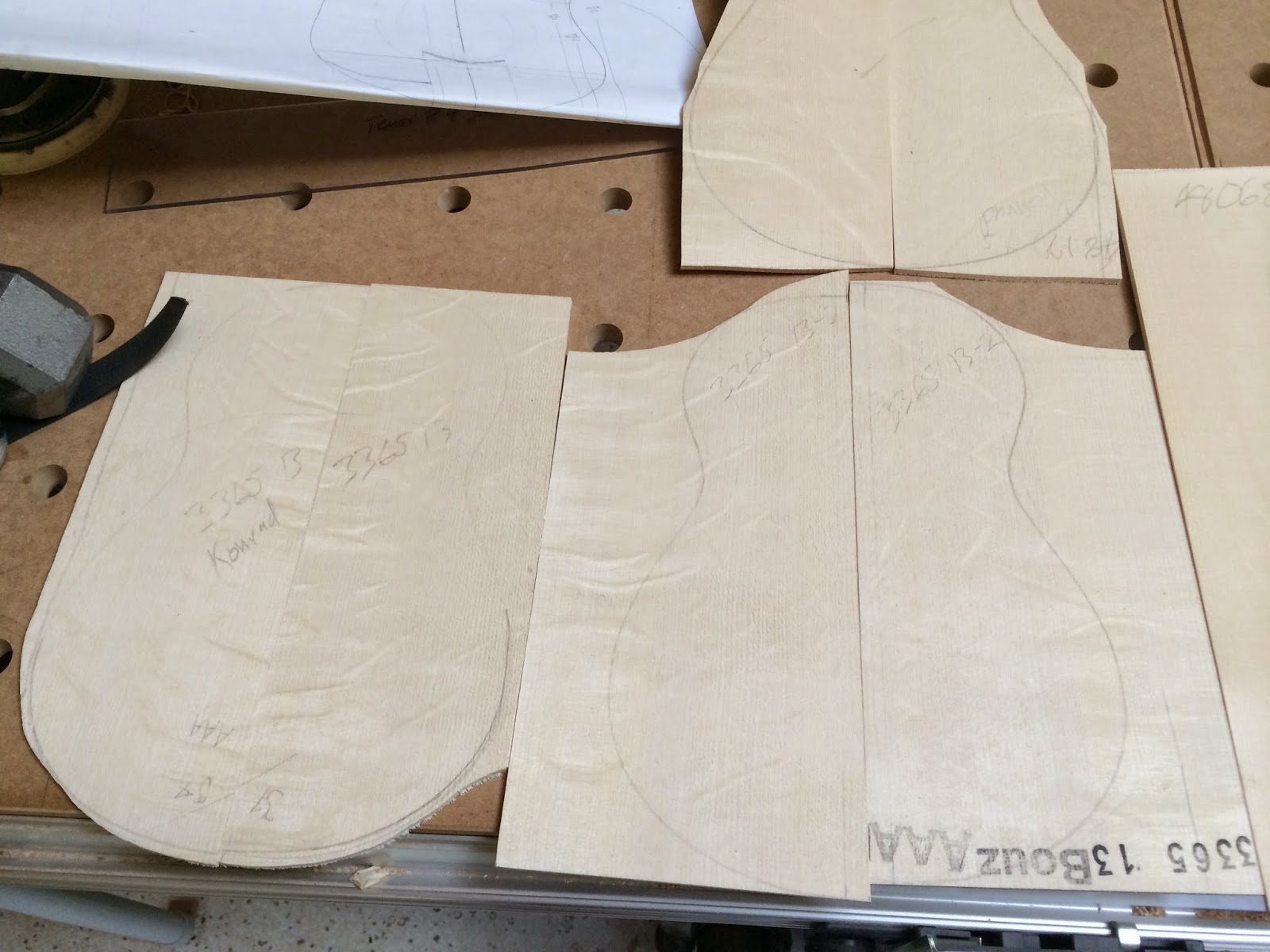
photo 1

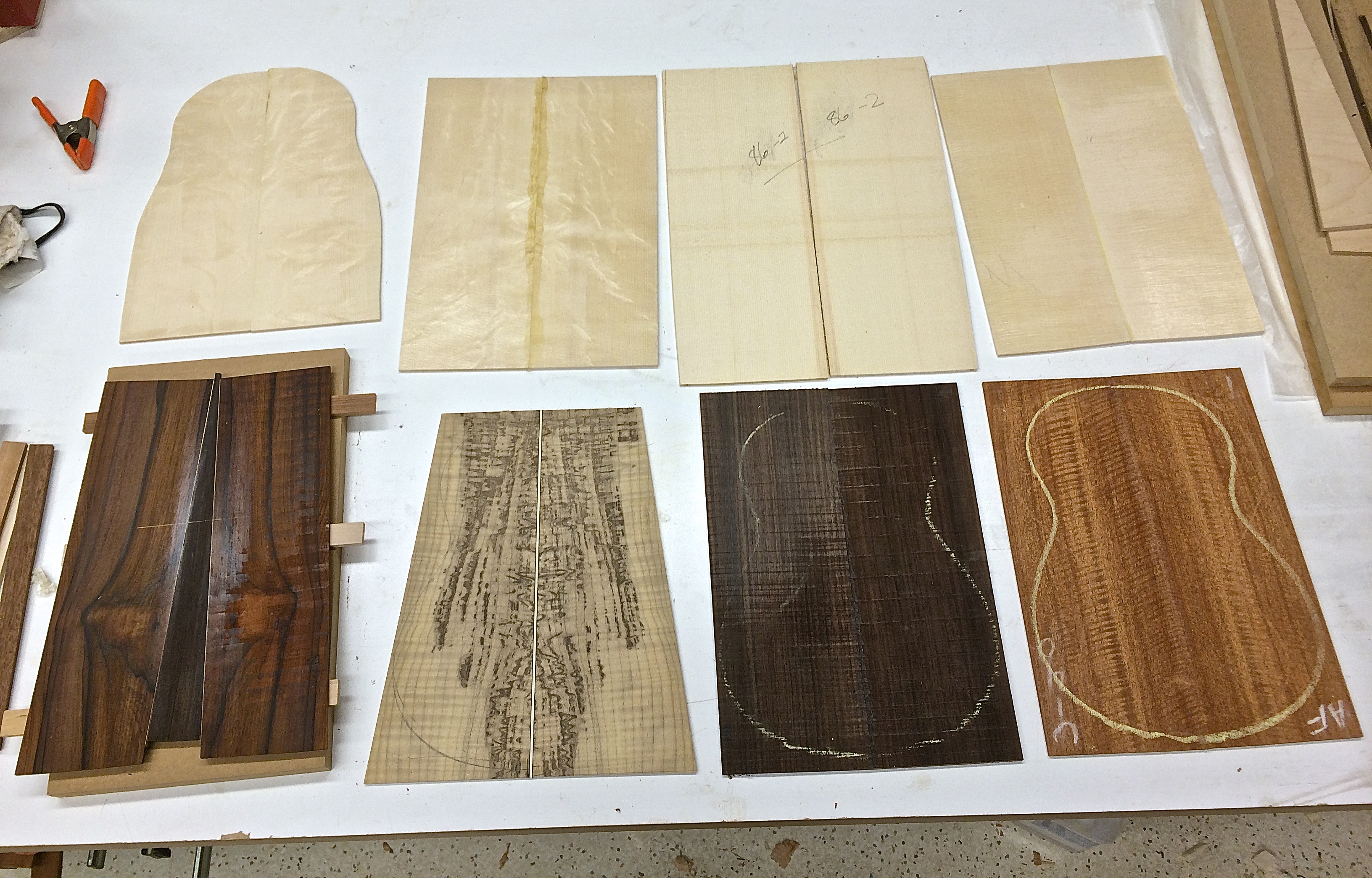
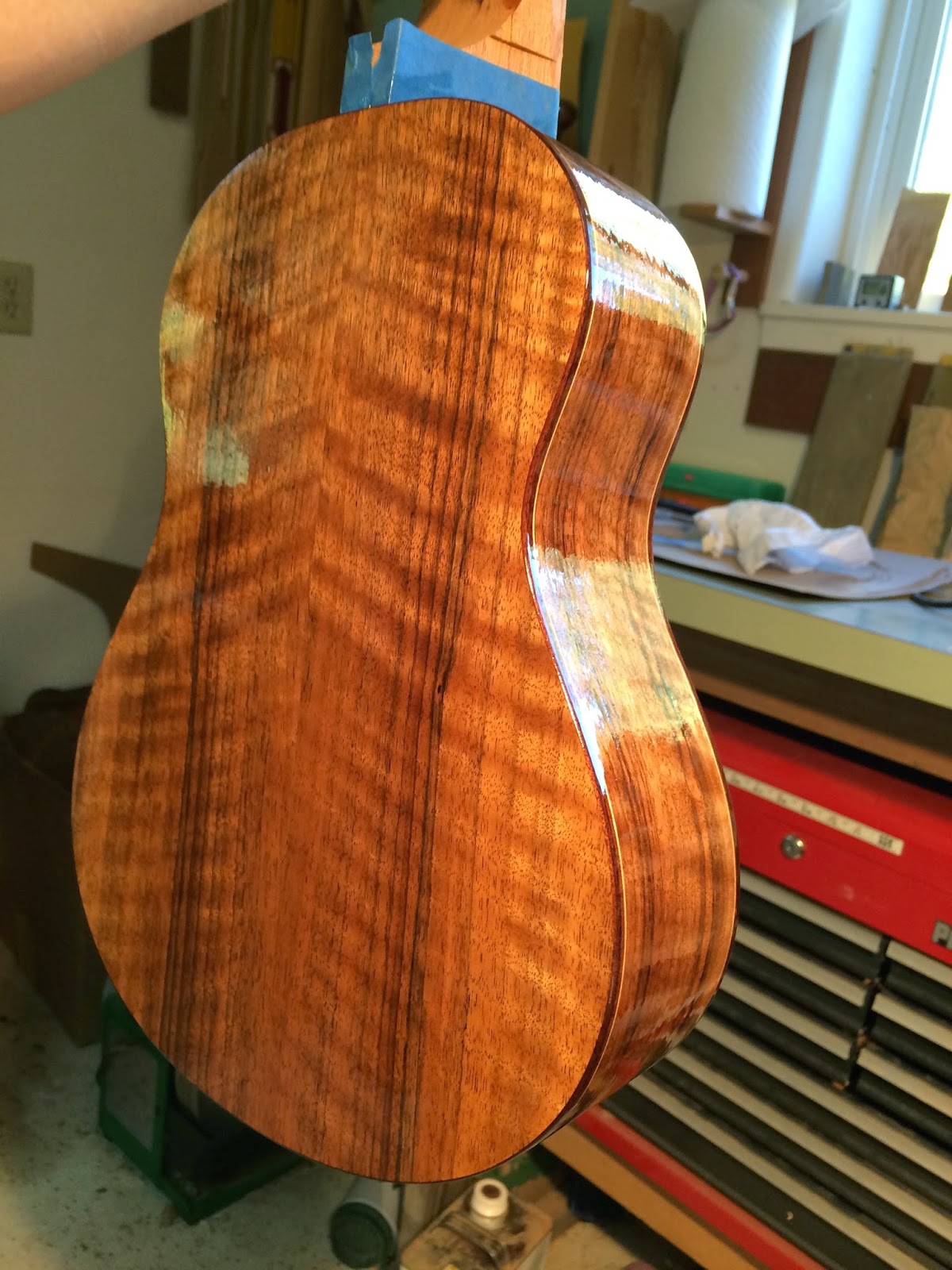
Woohoo! “Volcano” palisander on the left, with it’s bearclaw Swiss spruce top above. 2nd is the wild tiger myrtle of Richard Parker, my 2015 Pi Day instrument. It has another bearclaw Swiss spruce top (above), with a pattern that echoes the myrtle figure. 3rd is beautiful old perfectly quartersawn East Indian Rosewood with an Engelmann top (later changed to Swiss, discussed below), and finally Reynard, an amazing bit of curly mahogany, and one more Swiss top. It’s all Swiss spruce in this round, mostly moonspruce (moon-what? I need to post on that if I haven’t already).

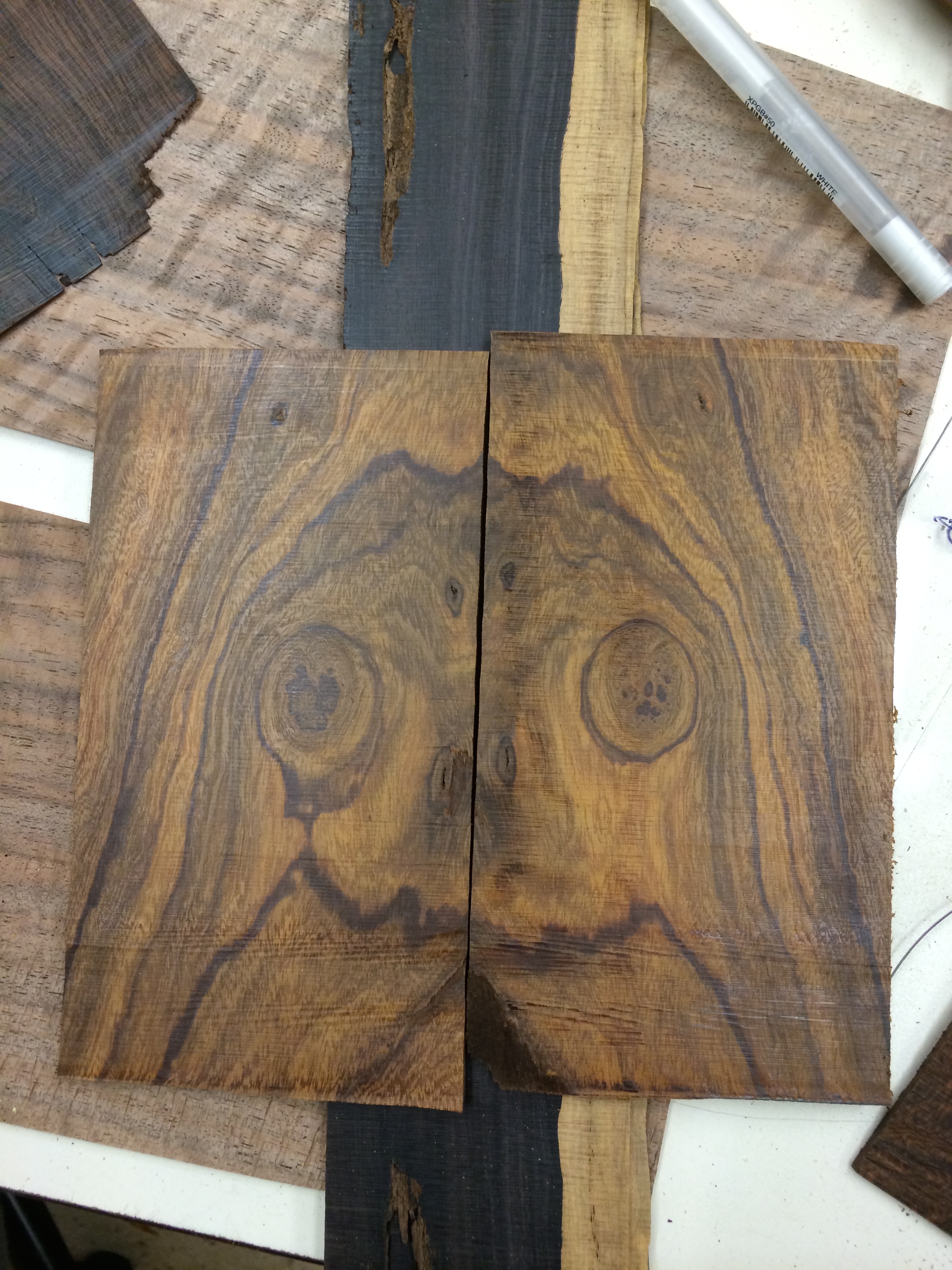
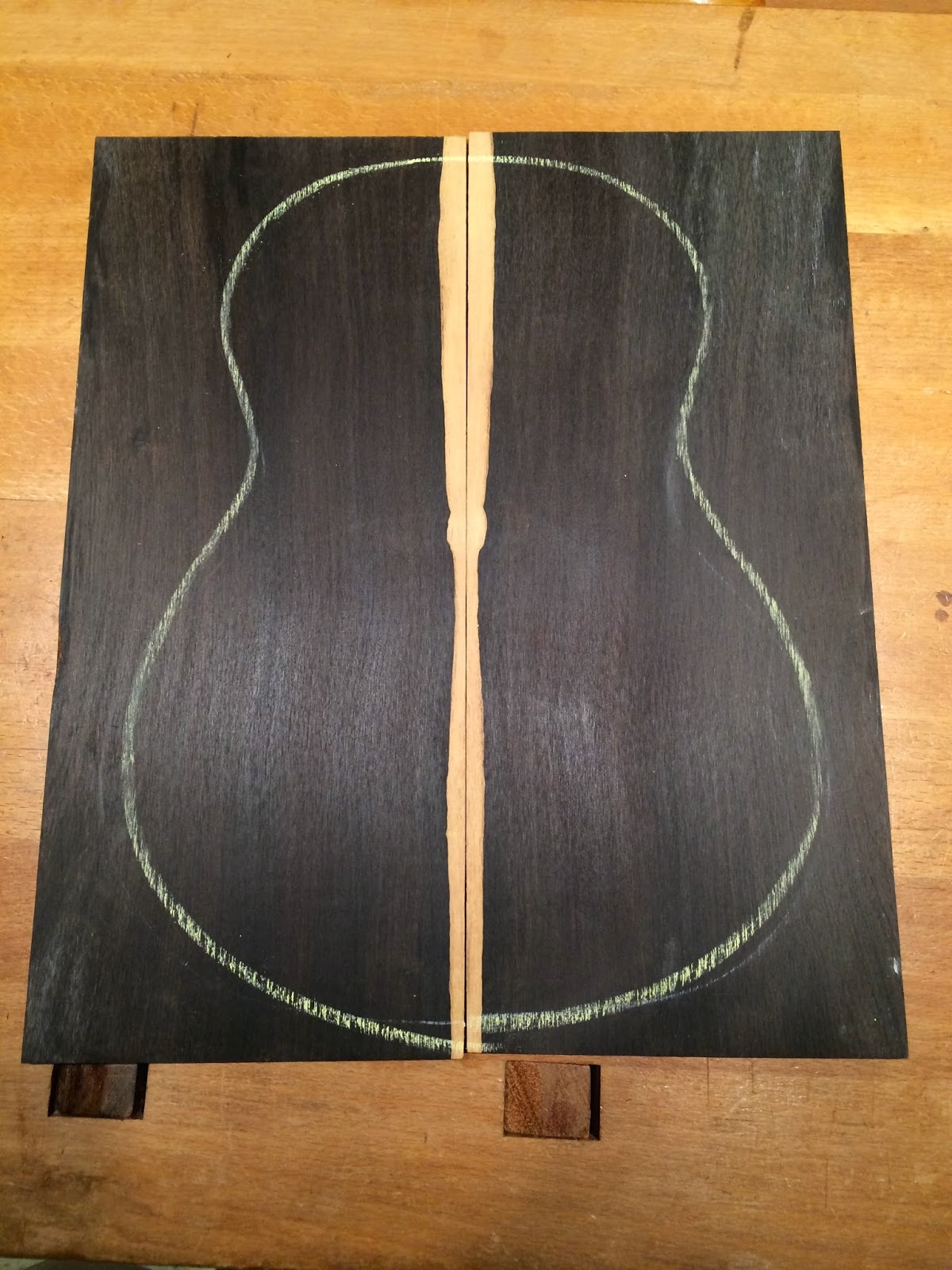
One more (shown in a previous post, before joining the halves), African blackwood with an “orc-paint” bearclaw top:

photo 2

This blackwood works about as easily as steel, but what a tap tone.

Stretching the preview past the spring builds are these fine pieces of “firewood”:

IMG_1162

This is more Engelmann spruce from the early 90’s forest fire area above McCall Idaho that violin maker Kevin Prestwich is gradually harvesting and testing. I used an earlier piece on the oakulele and it was quivery good!

These trees have been standing on mountain sides drying for over 20 years. With the bark gone and the outer layers cracked from drying shrinkage, Kevin can see at a glance which trees have the straight fiber line that is ideal for an instrument top. He doesn’t stop there though; the wood is measured for responsiveness, sound transmission speed, and so forth, compared with known excellent samples, and sorted for various applications…including some actual firewood. I often like wood that some say is imperfect–“perfect” wood is not highly correlated with great tone and performance–but it’s a false economy to build instruments with every piece of wood. And it’s an old saying among woodworkers that nothing burns like nice dry furniture (or instrument) wood!

IMG_1164

I sawed these billets into tops back in January, and they are currently relaxing with their cousins from the southern Oregon coast, British Columbia, Switzerland, Romania, and elsewhere. It was hard to resist building one into the spring instruments, but I ultimately decided to go all Swiss in the current group to highlight the differences among the back and side woods. Maybe fall.

An instrument of dining.

Hmm…last post early November…already blamed the dog for a previous hiatus–there really isn’t anyplace to hide for the lack of posts. So what’s been happening?

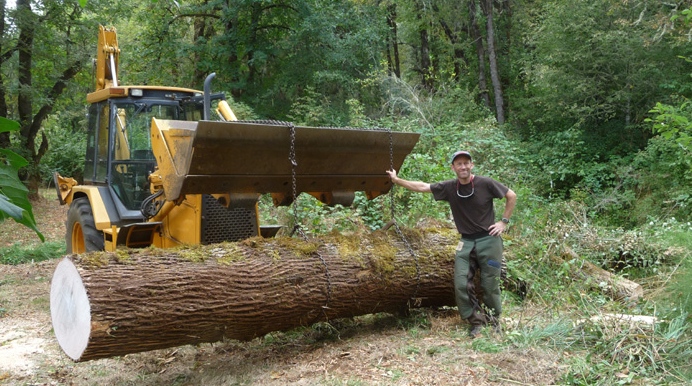
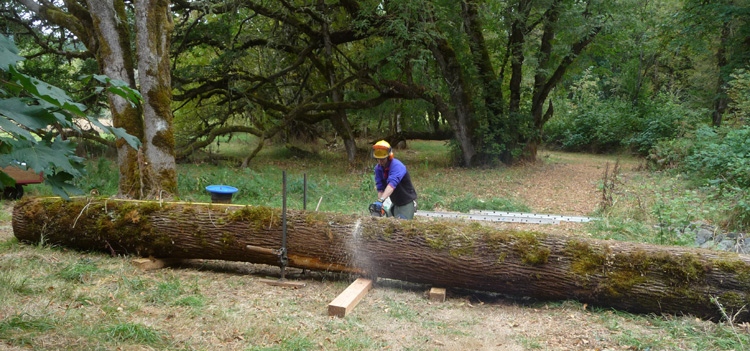
My furniture making past re-appeared after I completed the oakulele last fall, in the form of a very large dining table that had been in the wings for a few years as the wood dried. The adventure started here, with local sawyer Doug Pollock walking the plank–a beautiful Oregon ash that fell across a creek in the next valley west of us.

P1230337 - getting ready to cut log

With a blend of calculation, artful rigging, and brute force he managed to get the log onto dry ground and cut it into pieces that could make the trip to his mill.

P1230358 - cutting log in two

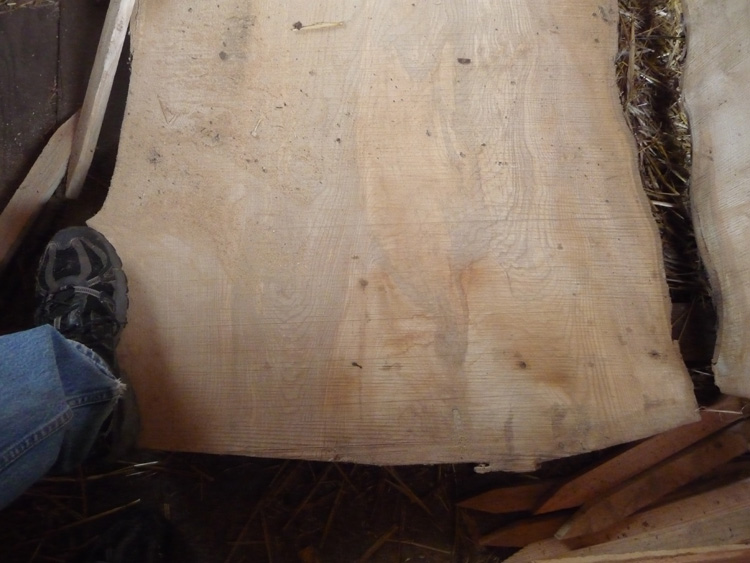
Bill Storch (who built the table with me) and I oversaw the milling, mulling over how each plank might be used in the table, guessing what would appear with the next cut, and what might happen during drying and subsequent operations. The best slabs were cut 3″ thick for the top, a few were over 4″ thick for leg parts, the center rail and smaller leg parts were 2 1/2″, and wherever possible we cut spares just in case. As each cut was made we flipped the plank over to read the underside, then stacked it to the side. They were reeeaaaalllly heavy.

P1230551 - big ash slab no checks

Skipping over a couple years of drying, Bill and I got down to work as fall waned. Here is the final selection for the top, and you can see that even with our best guessing two years earlier, we ended up choosing a slightly thinner plank for one of the top boards. We flipped and move these porkers many times searching for the best composition, and they were still darned heavy even though they were now dry.

IMG_0307

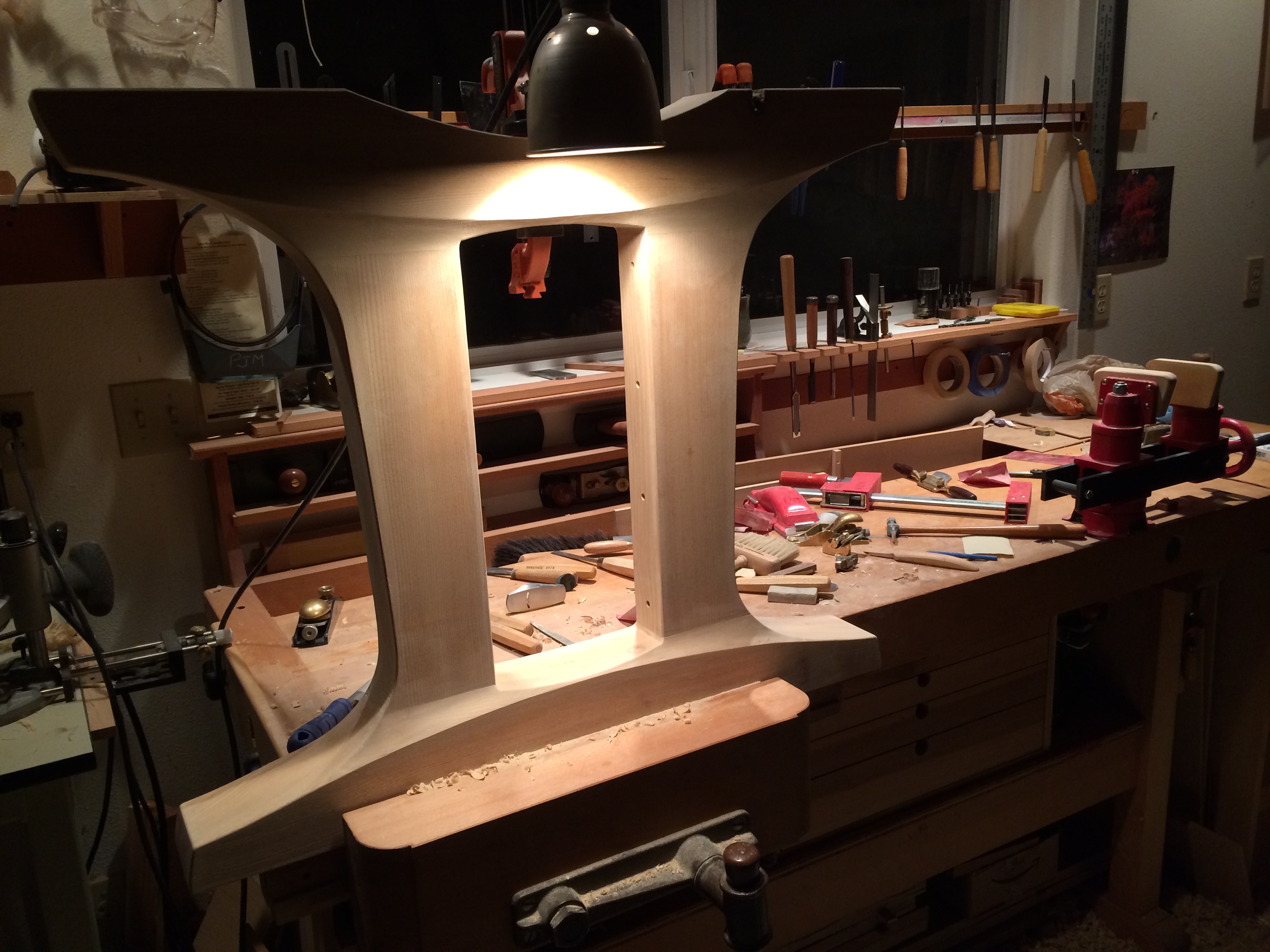
There was quite a bit of carving on the base. As with instrument necks, I did this at night with a single desk lamp illuminating the work; the raking light makes even small variations in the shape jump out.

IMG_1120

Bill made hammer-textured steel straps for the stretcher, and we hired a couple of very strong movers to bring the top safely into the owner’s house. Everyone agreed that this table will hold up the pizza.

IMG_1159

Whew! What a relief that instruments are nice and light. Still, it’s fun to design and build a piece that operates at an architectural scale, where the sweat is about shear exertion rather than whether my next move will blow up a 2 millimeter thick piece of precious and irreplaceable wood!

There’s a whole lot of this tree left–anyone looking for a uke in Oregon ash?

Kidding, really…

Heartaches and decisions

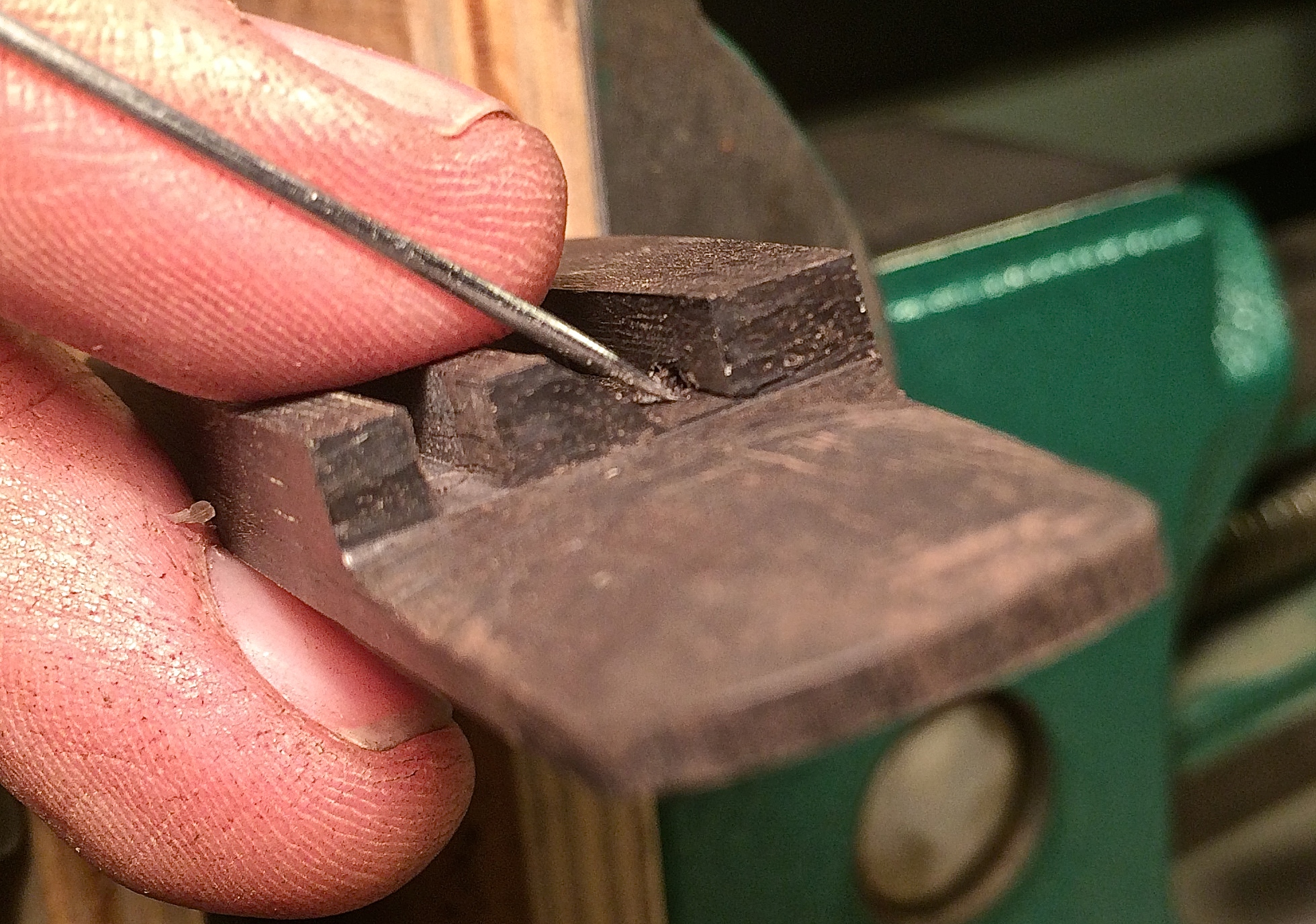
A little heartache while carving the bridge for the oakulele:

Is that a crack?
Oh, no, is that…?
Grrrr, (gnashing of teeth).  Yes, it's a crack
Grrrr, (gnashing of teeth). It’s a crack

I could stabilize that crack by filling it with CA glue or epoxy, and make it invisible–for a while at least. Over the long haul wood moves and glue ages, and the bridge is a high stress part.

Do-it-again time.

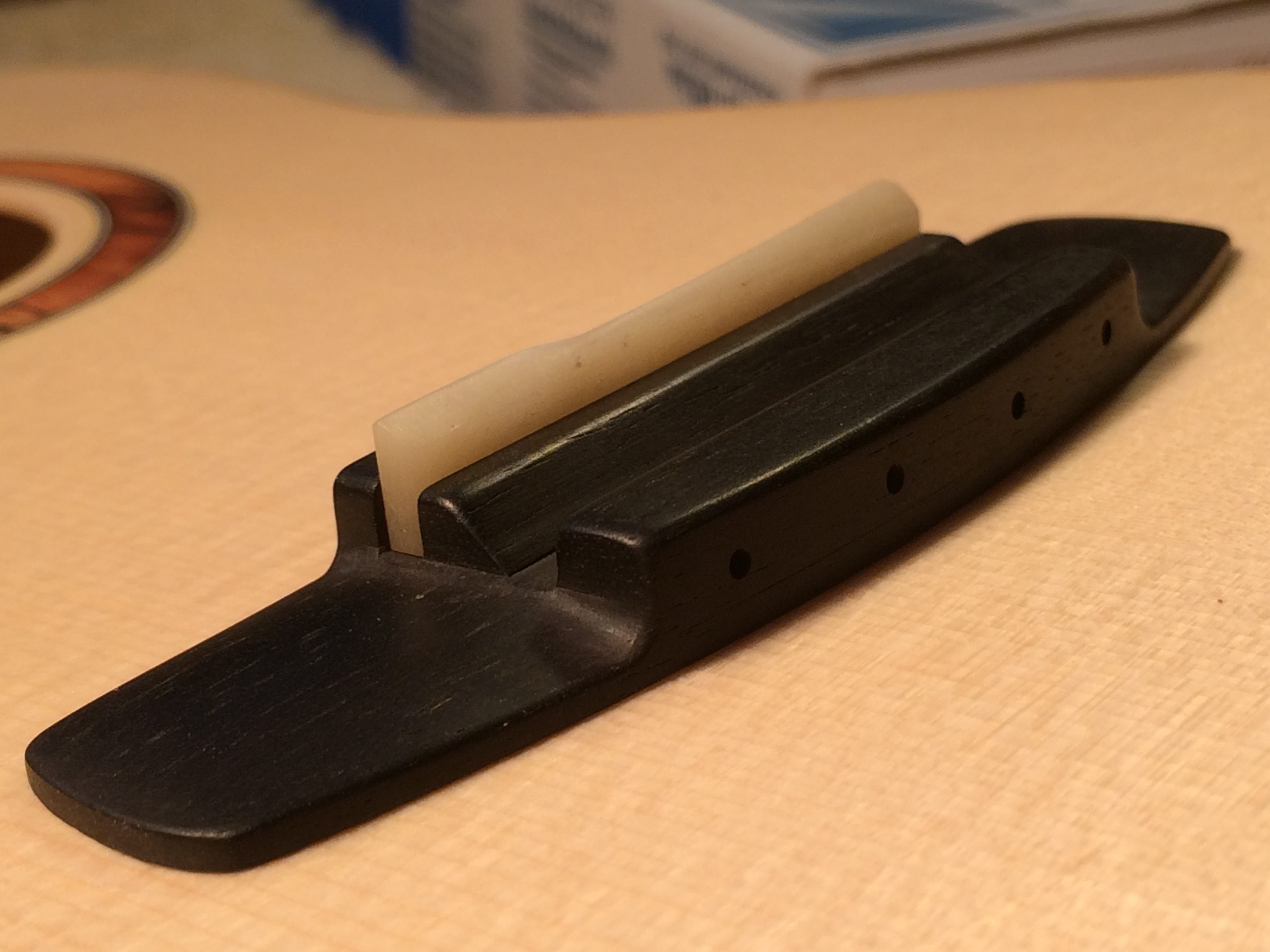
But this one is quite satisfying!
Ooh…this one is quite satisfying!

I used to get very angry over this sort of setback–how dare the wood have a crack lurking inside! However, after years of making myself calm down and re-do flawed pieces it has sunk in that the outcome richly rewards the effort, and I rarely throw the offending item across the shop any more. Building until it’s as good as I can possibly make it begets peace of mind, and provides stories of trial and tribulation to share over drinks with fellow builders! “Peace of mind”–Ha!–this deserves a post of its own; it can be very elusive when you care deeply.

And this doesn’t take away from a certain pleasure in burning the offending piece in the woodstove…after reducing it to kindling with an axe…

From Historic Oak to Uke

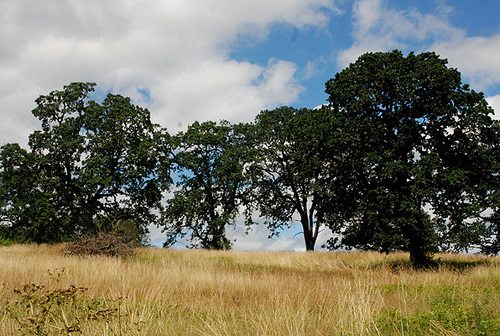
ca. 1791: Mozart completes The Magic Flute, Beethoven is a teenage piano virtuoso, and the final Stradivarius violin is 64 years old. The ukulele won’t exist for over 100 years, but its Portuguese ancestors are making folk music. Nearly half a world away (geographically, and worlds away culturally) an oak tree sprouts near the confluence of two rivers in a valley where the Kalapuya tribes have lived for thousands of years.

2013: that oak–over two hundred years old and witness to the entire history of Albany, Oregon–is felled to make way for a Lowe’s Home Improvement Center. Mark Azevedo of the Albany Tree Commission obtains the trees and carefully saws them into quartersawn lumber, the most stable and beautiful form for oak. Albany Parks and Recreation launches the Lumber to Legacy program to have craftspeople and artists turn this oak (and several others from the same grove) into fine work which will be auctioned to raise money for white oak habitat projects and local high school woodworking programs.

Spring 2014: Not coming up with any furniture ideas, I casually mentioned the idea of an “oak-ulele” to Mark.

Beware what you say around Mark.

And so the Hackleman Oakulele began. I travel home from the Kenagy farm–where the logs were milled and stored–with two rough long planks sticking out the window of my sedan at a crazy angle, holding them with one arm. Cars pass and drivers stare.

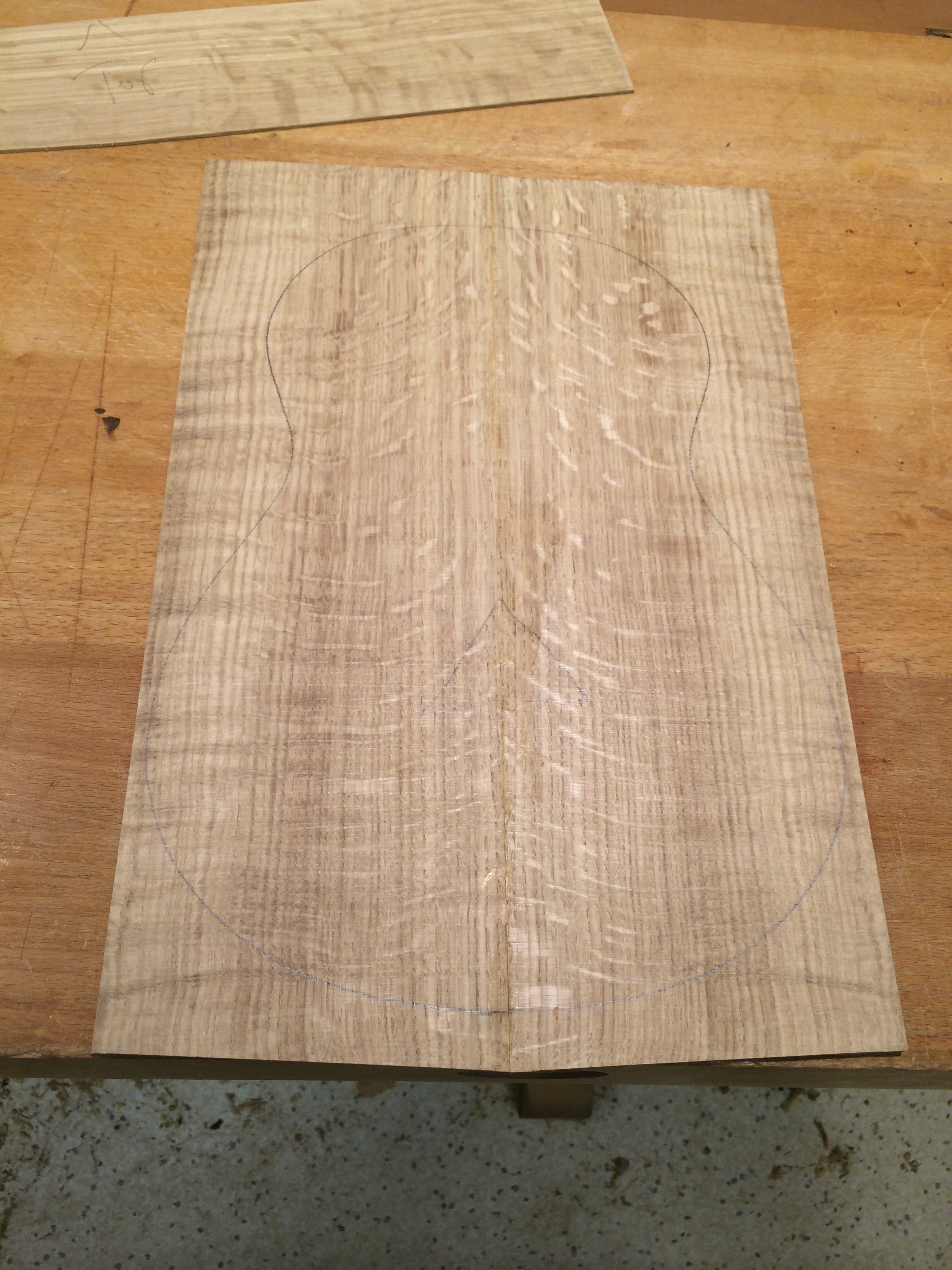
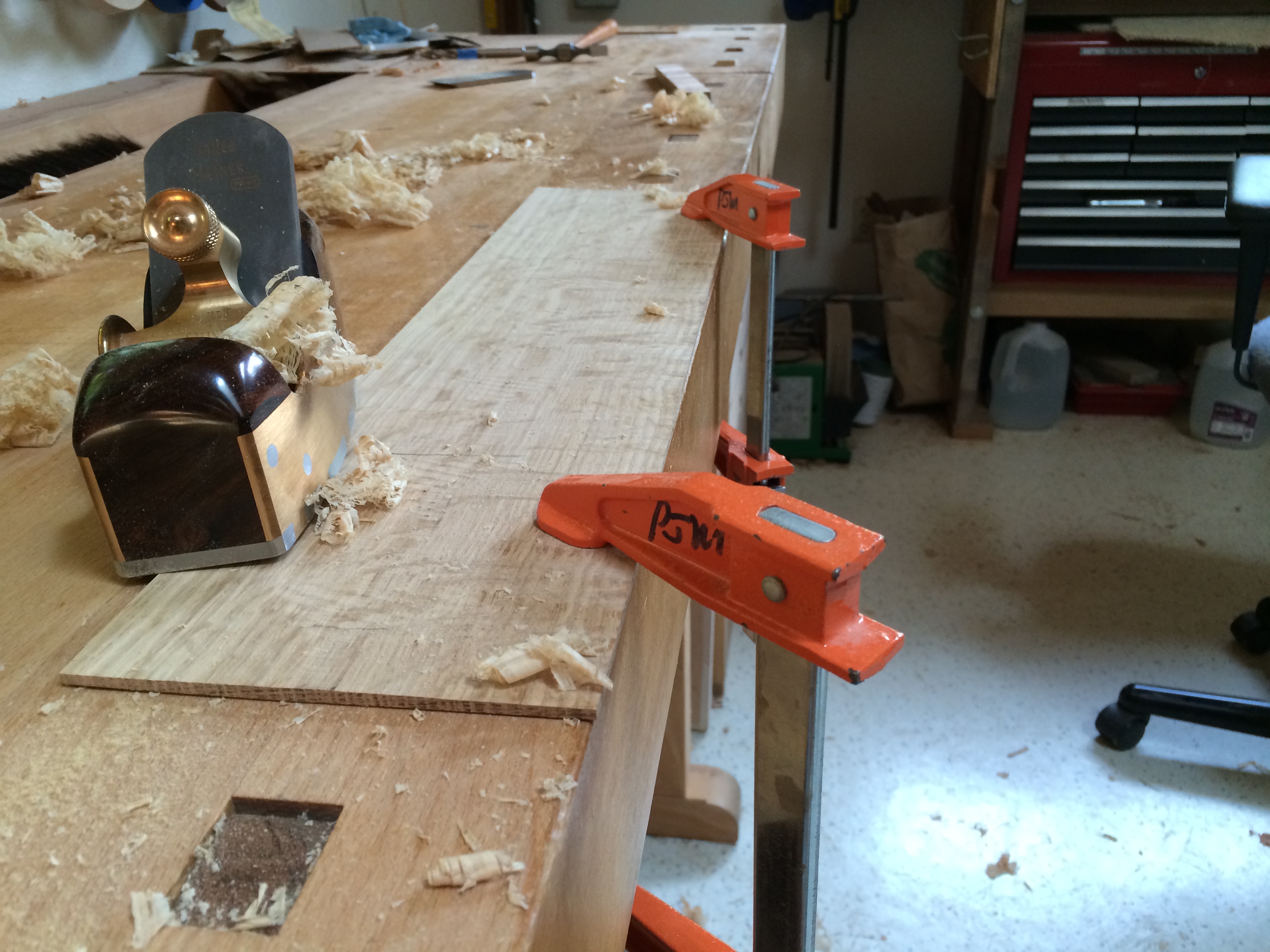
A few weeks later I plane the boards smooth to get a better look and start hunting for portions that will be sound, stable, and beautiful. This old tree is long on beauty but short on clean wood–only a few short sections appear suitable, and I cut them into smaller blanks to see how they respond. Some of those go wonky, but a couple nice sections remain:

IMG_0365

I carefully saw these into thin bookmatched pairs, then choose the nicest to become the back and sides.
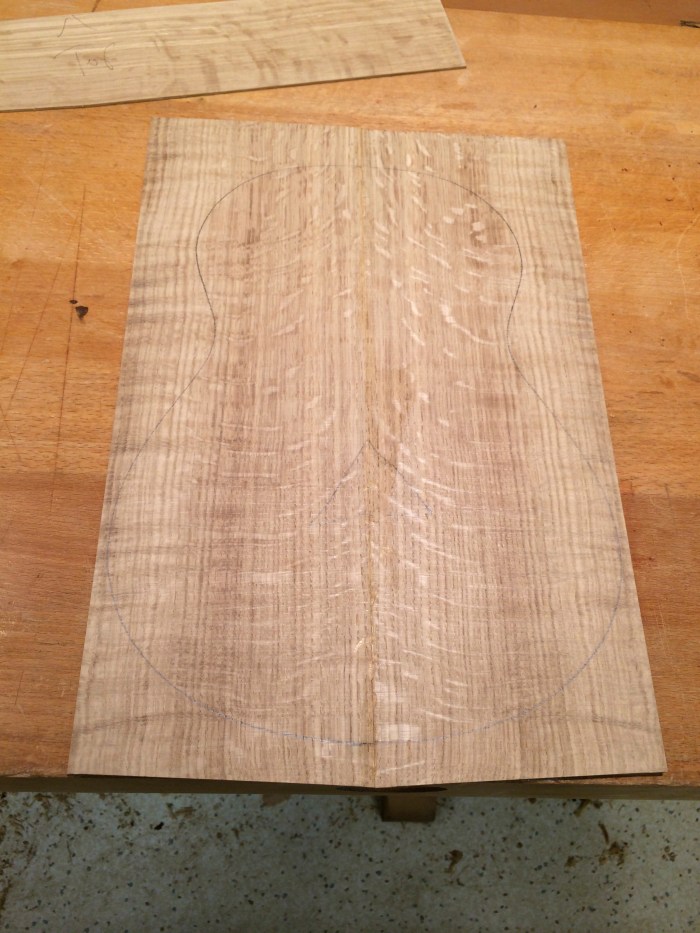
IMG_0529

Then I let them sit around for several weeks again to see what they would do. They behaved well (thank goodness, or we’d have to start over with planks), and need only a little more refinement to prepare them for use:
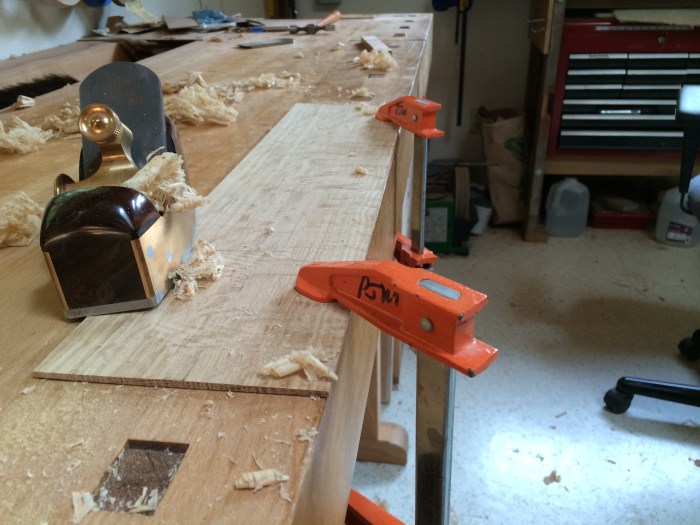
IMG_0524

They bent like a dream.

IMG_0530

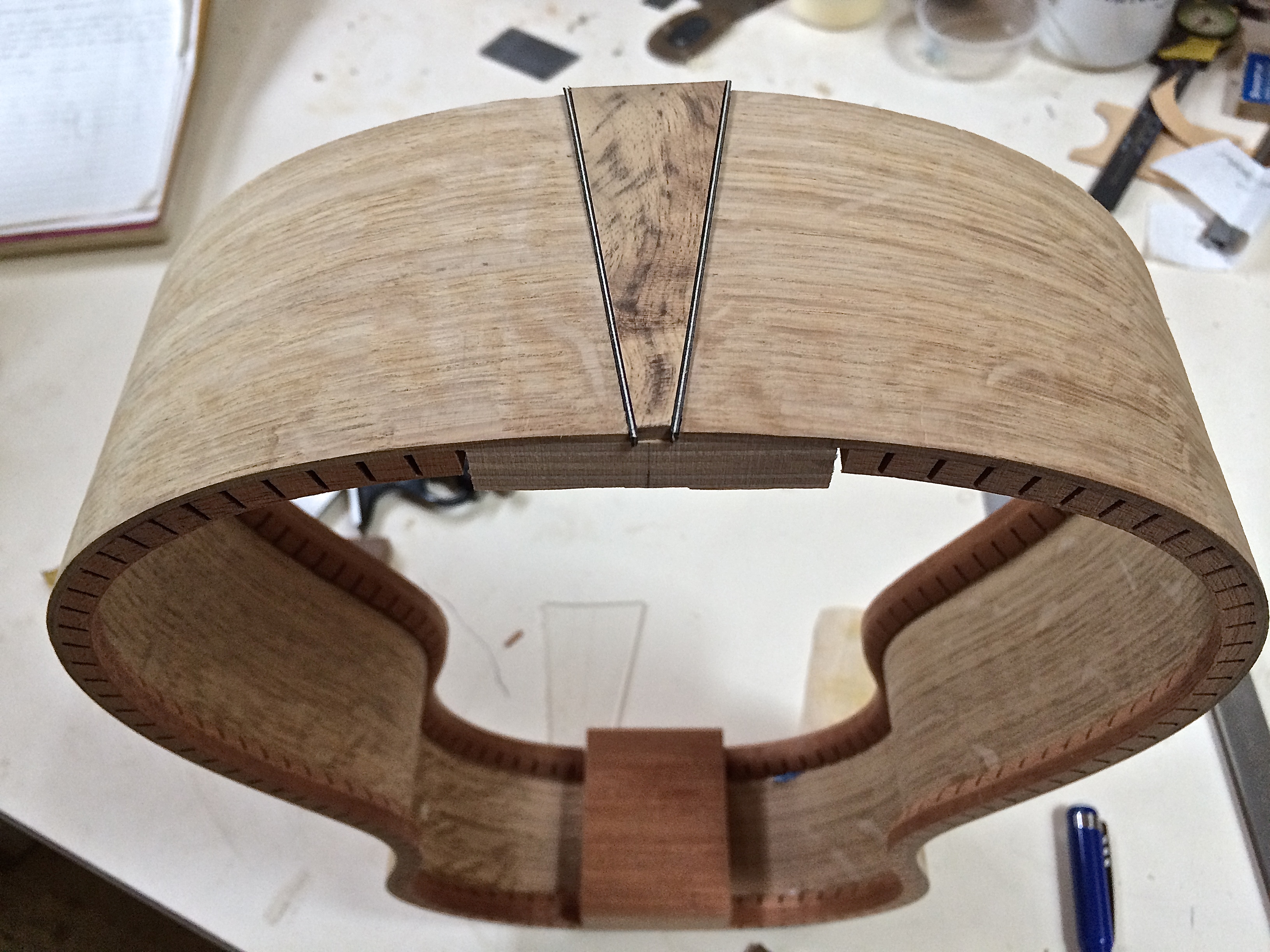
The sides are joined, lined, and a pretty end graft of super cool myrtle is inlaid:

IMG_0557

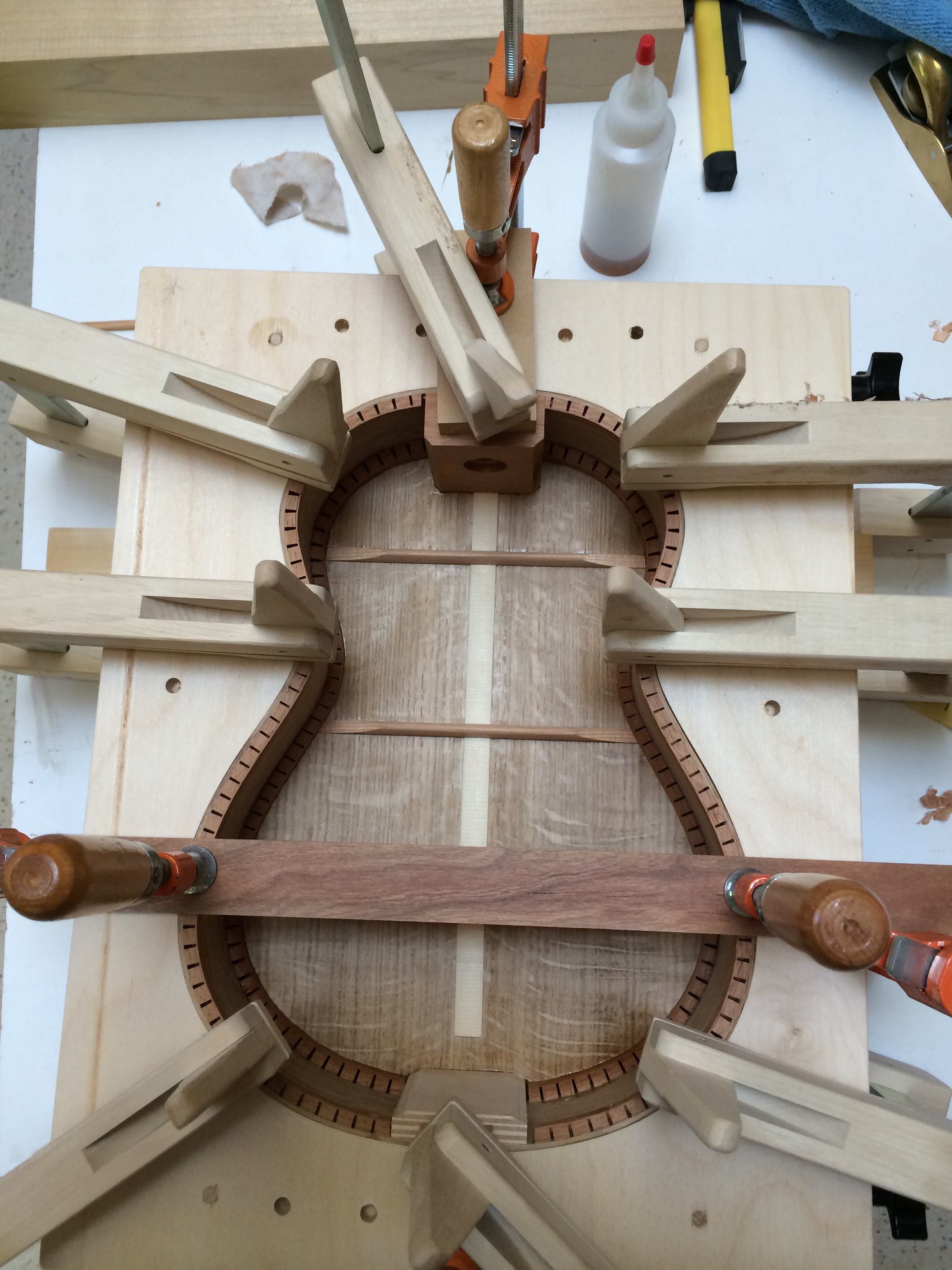
The back joins the sides in a flurry of clamps:

IMG_0651

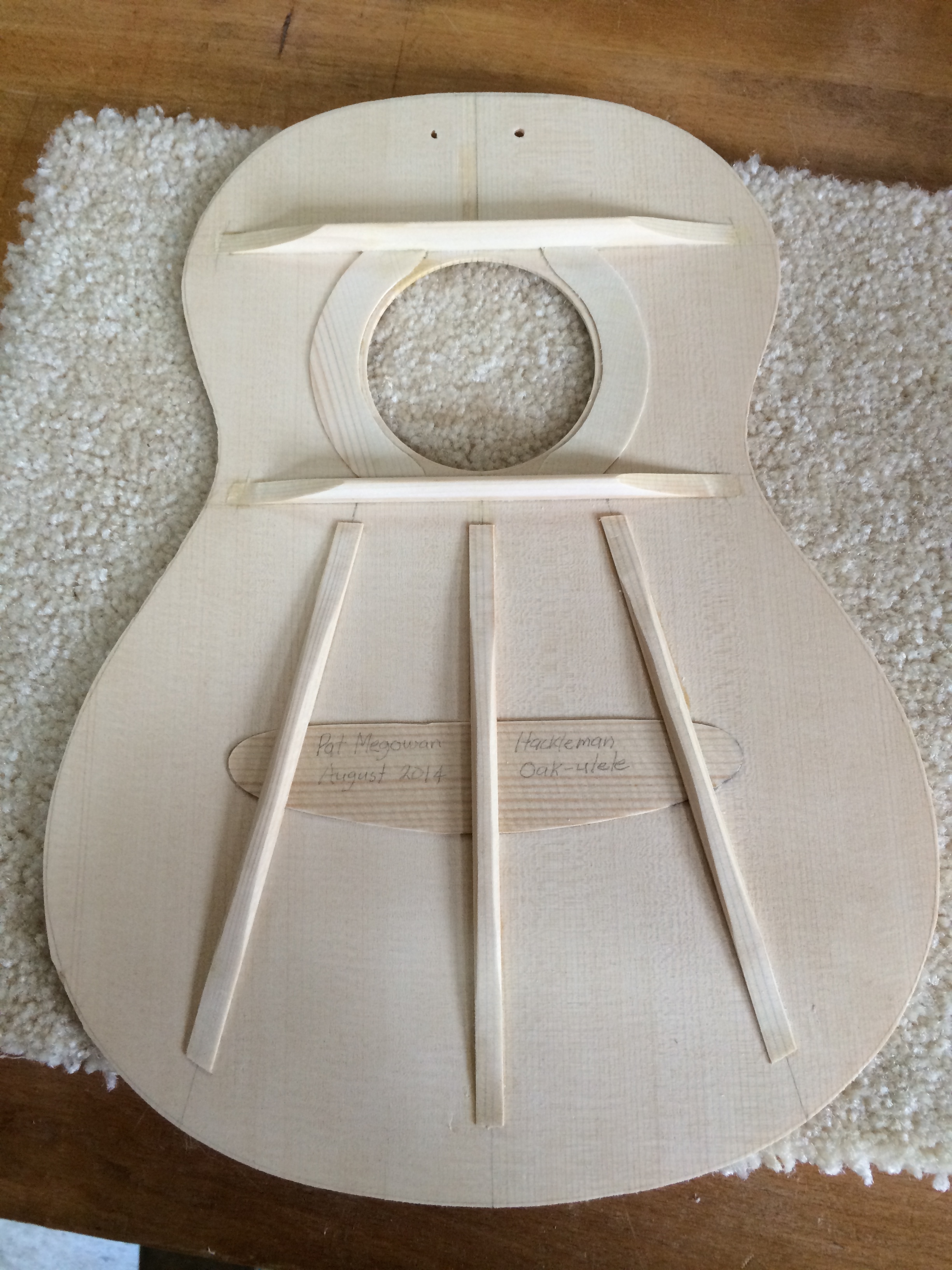
The top is braced. It is made of Engelmann spruce that was killed in a fire above McCall Idaho in 1992 and seasoned on the mountainside as a standing dead tree for over 20 years. It was harvested by Kevin Prestwich, a violin maker who felt it was some of the finest wood he’d ever handled. Braced with Carpathian spruce for tonal and structural reasons, glued with hide glue for tone and repairability.

IMG_0654

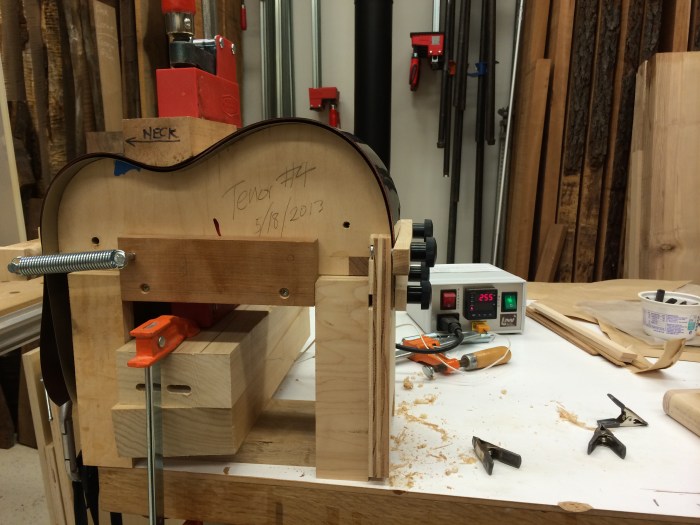
Carving the neck using raking light to highlight the form, employing an assortment of carving chisels, planes, rasps, and files to refine the shape. While there are a few key measurements, most of the guidance comes from how it feels when held in playing position.
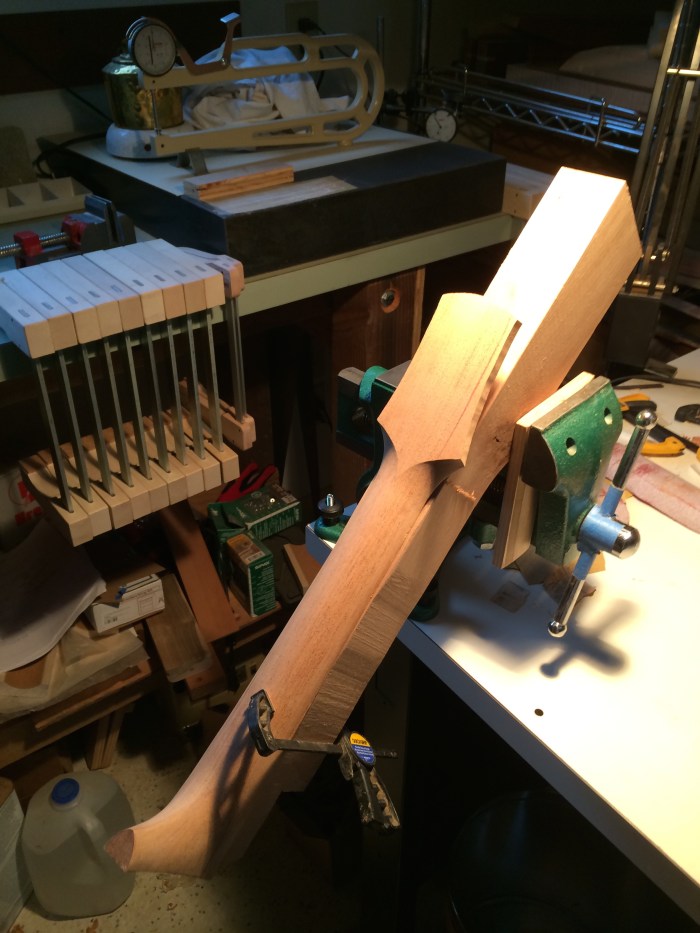
IMG_1042

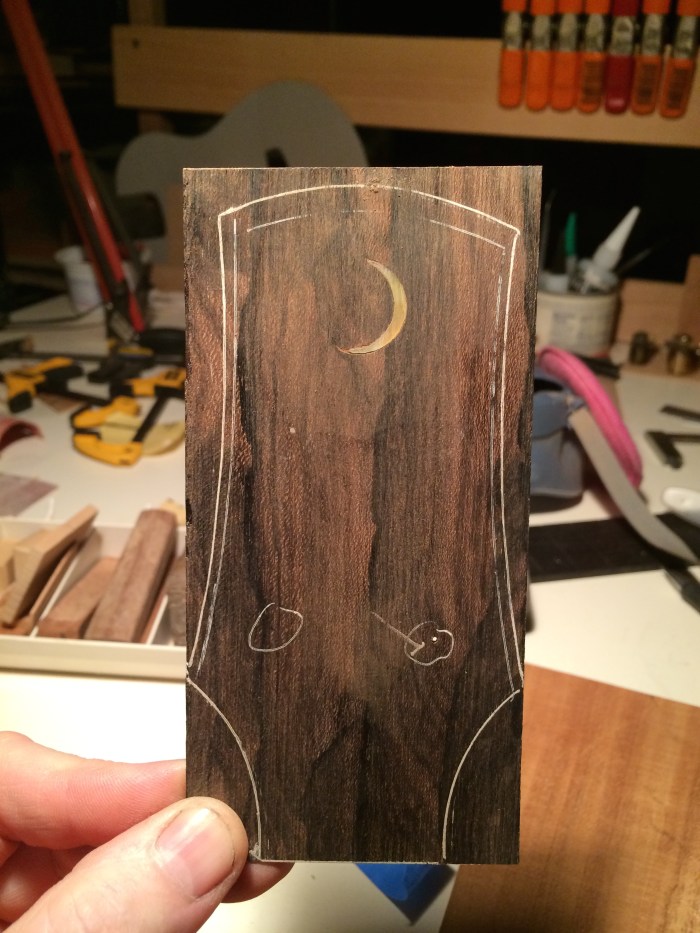
Inlaying the new moon into the ziricote headstock overlay, a summer moon for this instrument. Done with a jeweler’s saw and scalpel, very low tech.
IMG_1046

First coat of finish on the back–really pops the figure on the oak. I use an old school finish from the golden era of Martin and Gibson – varnish, with a soft glow and great tone. While not exactly the same as a violin varnish, it is similar in being acoustically excellent, nice to the touch, and not automobile-glossy in appearance.

IMG_1048

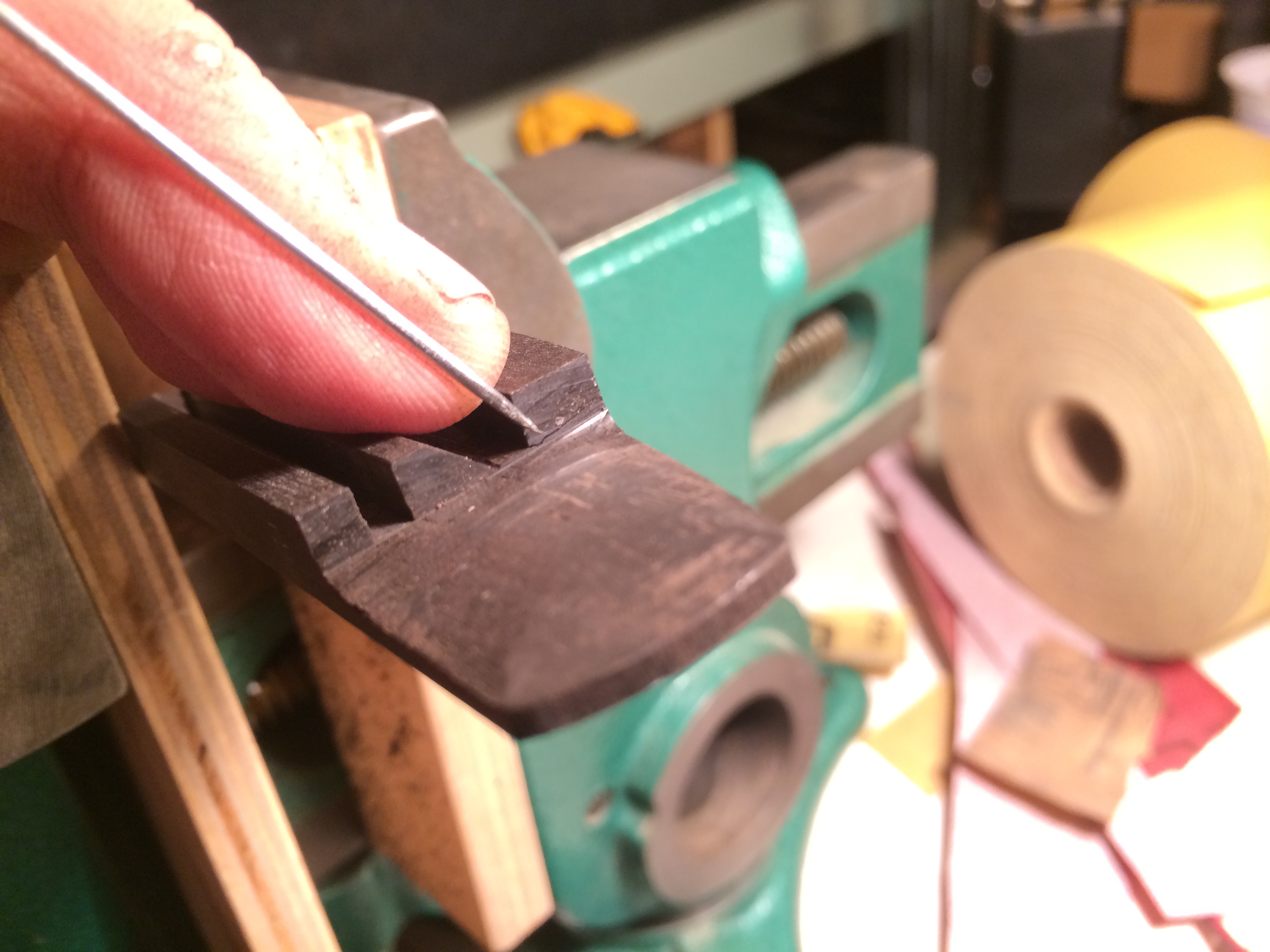
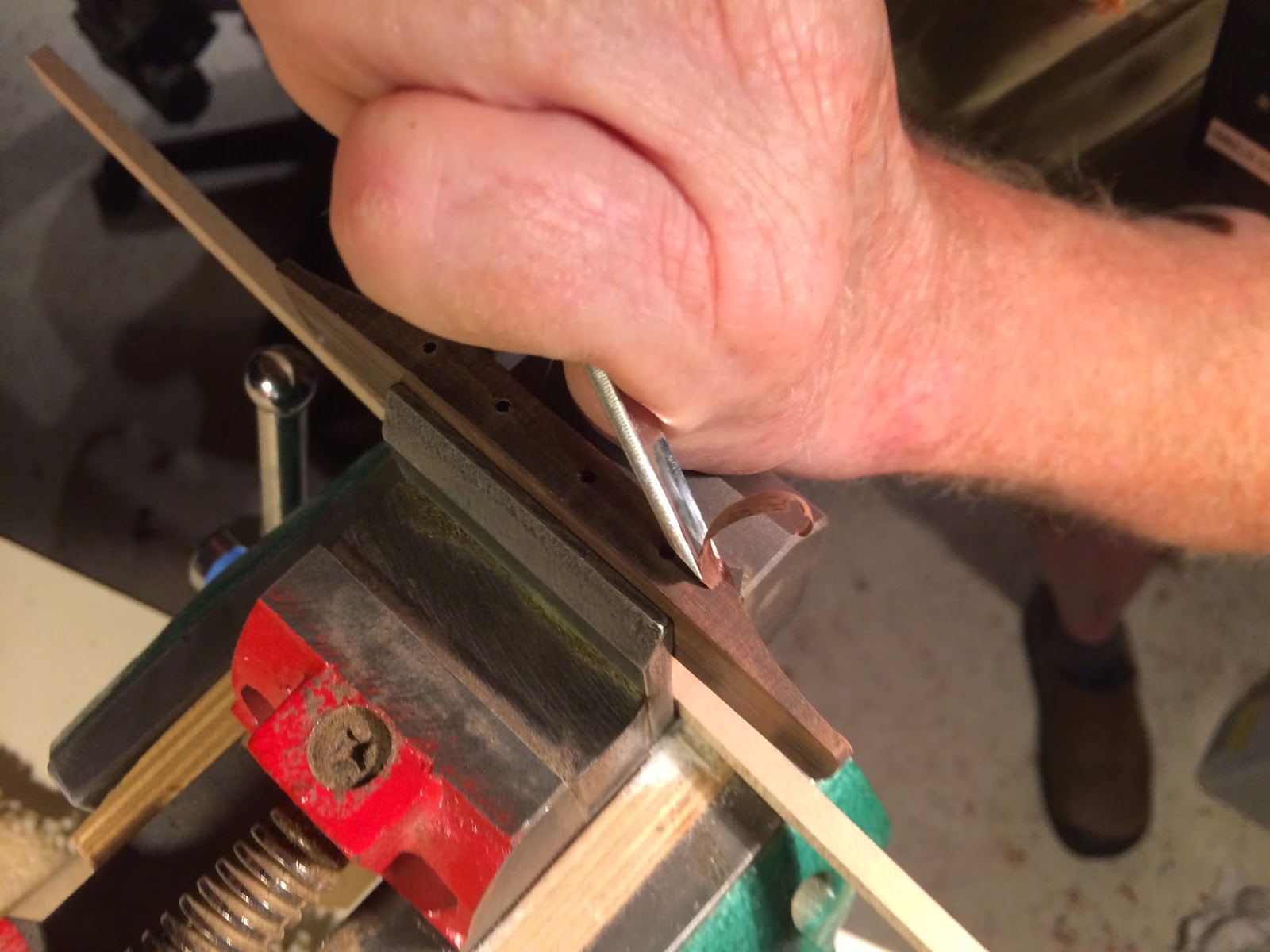
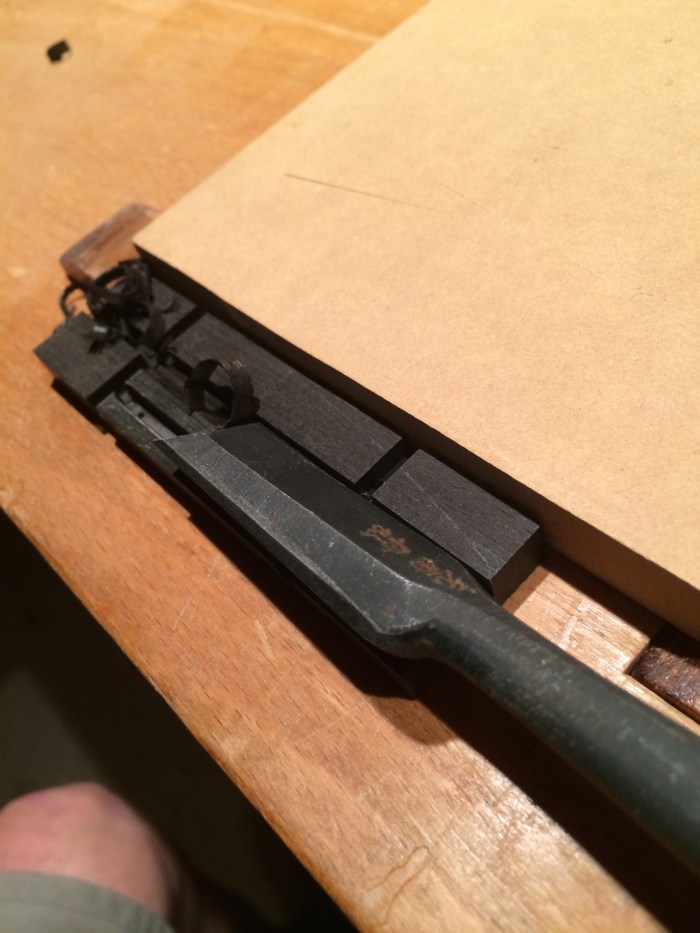
Carving the bridge from ebony. Like the neck, after a few guiding saw cuts it’s all chisels and files.
IMG_1052

Not long now before this wood sings again!

Closing in

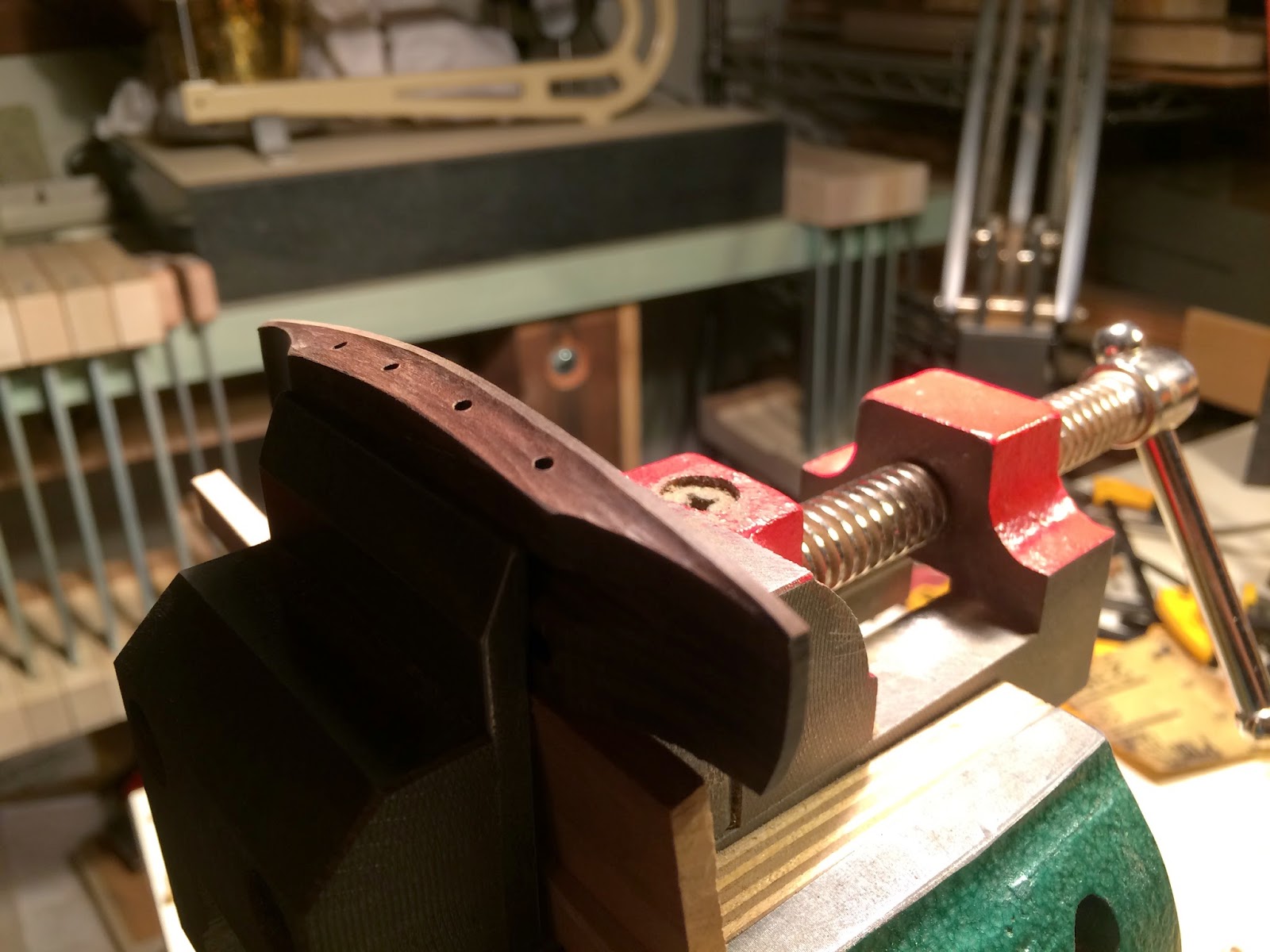
Carving the bridge comes near the end of the build, and is a pleasure–careful work with super sharp tools, but not as stressful as some of the other steps, and an opportunity to leave “fingerprints”…traces of the hand-building process.

I will leave the subtle facets created by the carving gouge here on the back of the tie block:

while the other surfaces will be comparatively sleek.

Tunes in the Dunes

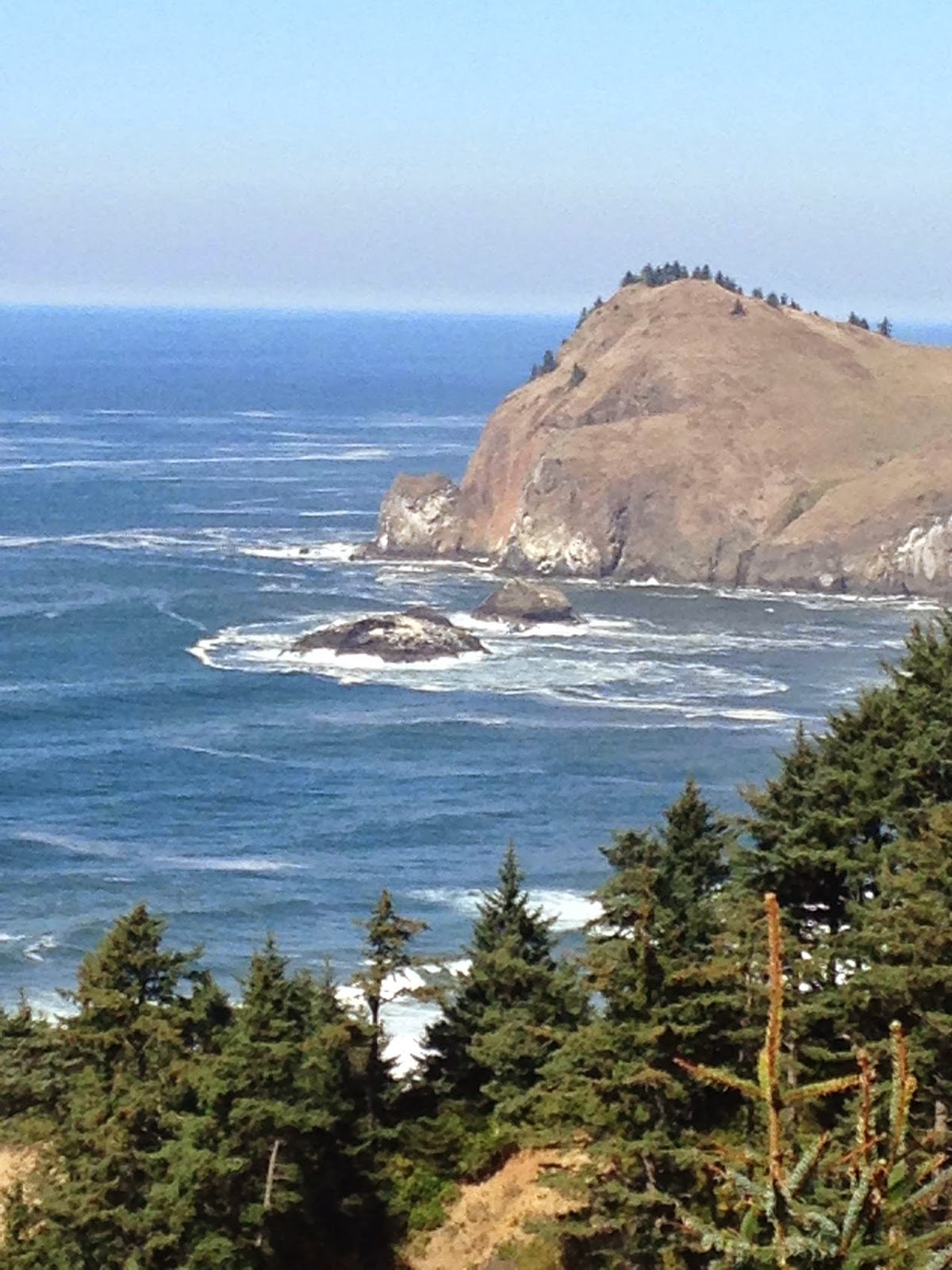
It’s not just anyplace that you can experience this–Cascade Head on the Oregon coast…
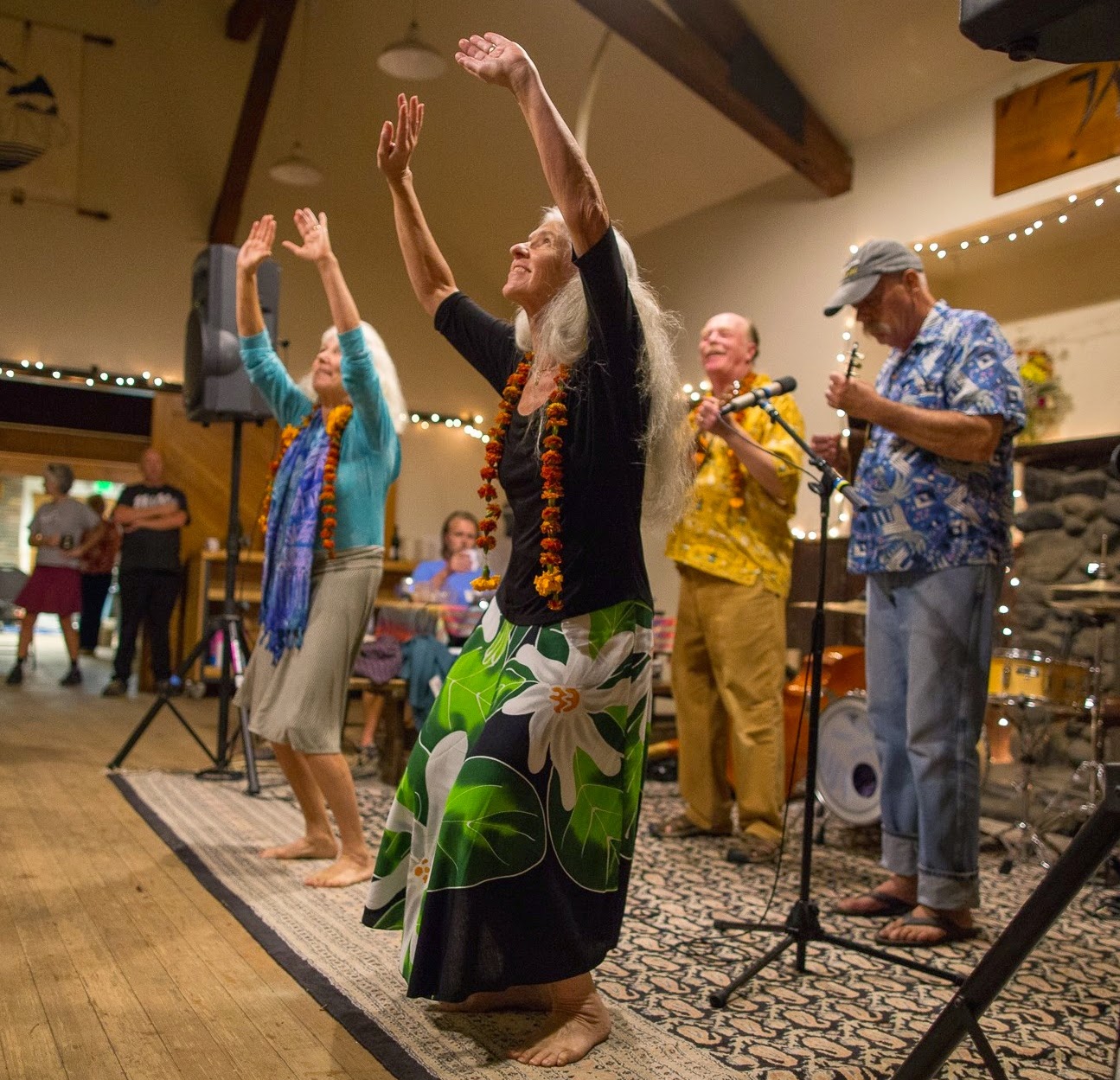
And real hula…

But at the wonderful Tunes in the Dunes, a uke event created by Melanie Berry, it all comes together beautifully. We also enjoyed classes with a lot of wonderful teachers and performers, including James Hill, Anne Janelle, Craig Chee, and Sarah Maisel,
Steve Einhorn and Kate Power (here with Sarah),
Andy Andrews, founder of the Ukulele Club of Santa Cruz, with with his wife Pam (one of the hula dancers above),  
Corvallis’ own irrepressible Wallop Sisters, whom I not-so-secretly aspire to play with, 
the super versatile Diggers, and uke ambassador Bryan Holley (no pics, sorry guys. And thanks to Craig Chee for some photos, seems like he is everywhere with a camera). 
A weekend full of aloha spirit and music, and as a bonus some great information on what makes a really good uke, as there were more than a few at the weekend. Thanks to everyone involved, hope to see you on down the road. 

Up to my neck

With the English walnut uke having gotten its first coat of finish…
it’s time to get busy shaping the neck. The black lines in English walnut are called “marblecake”, in case you want to work that into your conversations.
The key to good shaping for me is raking light, as the following photos show. Good or bad, the shape jumps out, and even a single stroke of a fine file makes a clear change.

It makes for cool textures too:

For complex locations like the heel, I often hold the light in one hand and the tool in the other, moving the light back and forth to examine every bit of the surface.

In this photo I’ve just cut in the facet on the right with a carving chisel–which takes two hands, so the light is on a stand nearby.

The wide net of J. R. R. Tolkien

I’ve been thinking about this wood for a long time:

One thing keeps coming to mind–Mordor. Anyone else feel it? The volcano palisander in previous posts does too. 
Yes? Mt Doom perhaps? 
And this: 
Orcs painted for battle (…work with me here).
Admittedly, I re-read the Lord of the Rings this year, but I don’t see Sauron’s eye in the clouds or orcs in the grills of cars (think Target commercials). Nonetheless, these bring to mind Mt. Doom, Barad-Dur, the Misty Mountains, Cirith Ungol, Frodo’s troubled dreams. Orthanc too, so I guess it’s not just Mordor. 
It’s an odd association for ukuleles, but one that’s been calling. Running with the idea, though at the risk of trauma to LOTR fans, I freely adapt Tolkien’s ring inscription to my own sensibilities about life and music: 
One love to rule them all,
One love to find them,
One love to bring them all,
and in the music bind them. 

I feel that love is the core “energy” of life in all its fantastic diversity. Music (also amazingly diverse) springs out of love as a powerful force to join (bind) us; to catalyze connections, community, gratitude, and, in a great circle–or ring, if I may–love.

No doubt this is ripe for psychoanalysis, as well as accusations of extreme sappiness and fuzzy-headed thinking; but sappiness seems quite fitting for a woodworker, while fuzzy-headed is merely accurate;-).